Rejuran skin booster: what it does, who it suits, and the price
A dermatologist's plain explanation of the rejuran skin booster: what polynucleotide does in the skin, how many sessions, and what it costs at Wells.

What is Rejuran, and what does a rejuran skin booster actually do?
Most people who ask me about a rejuran skin booster describe the same thing. The skin looks tired up close — pores read larger, fine lines catch makeup, the surface feels rough even on a good day. It isn't a wrinkle you can point at, and it isn't sagging, so it's hard to know which treatment it belongs to.
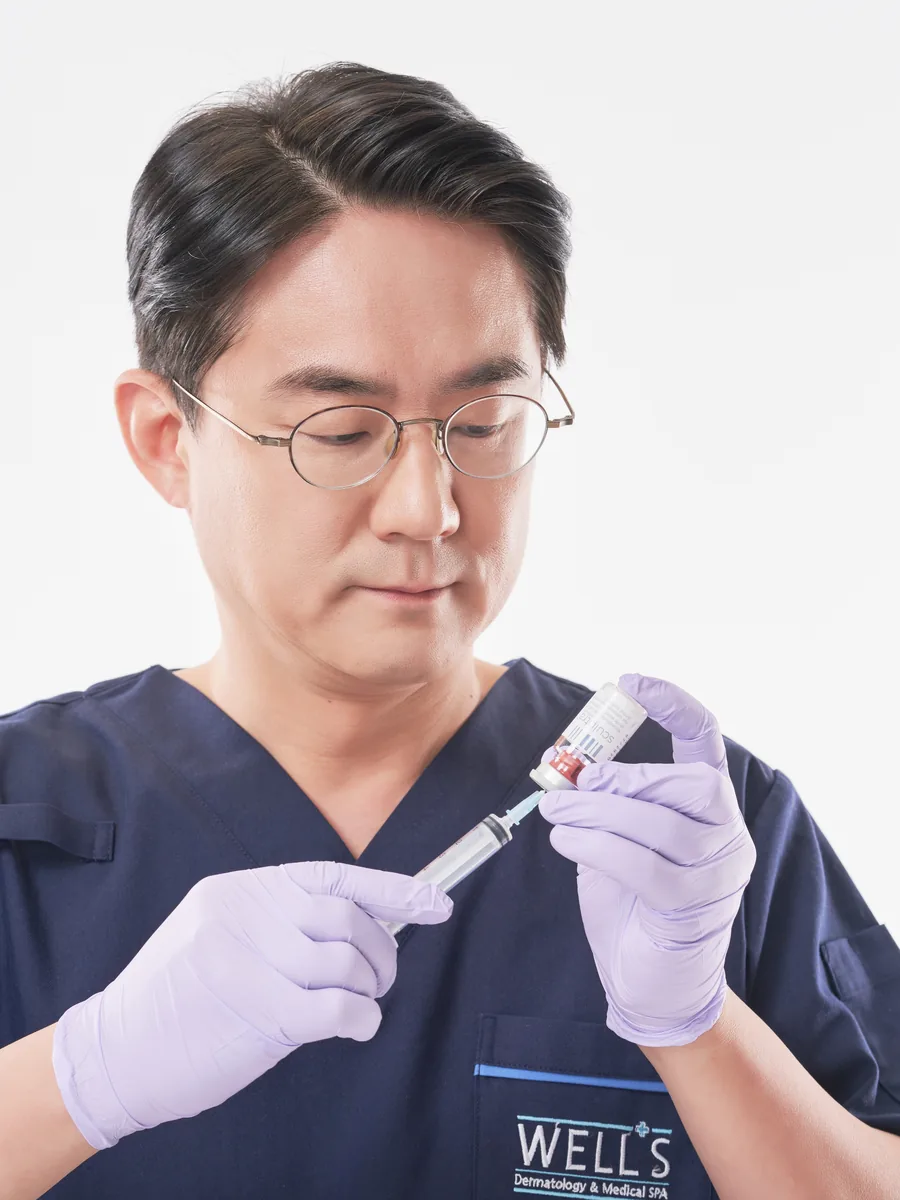
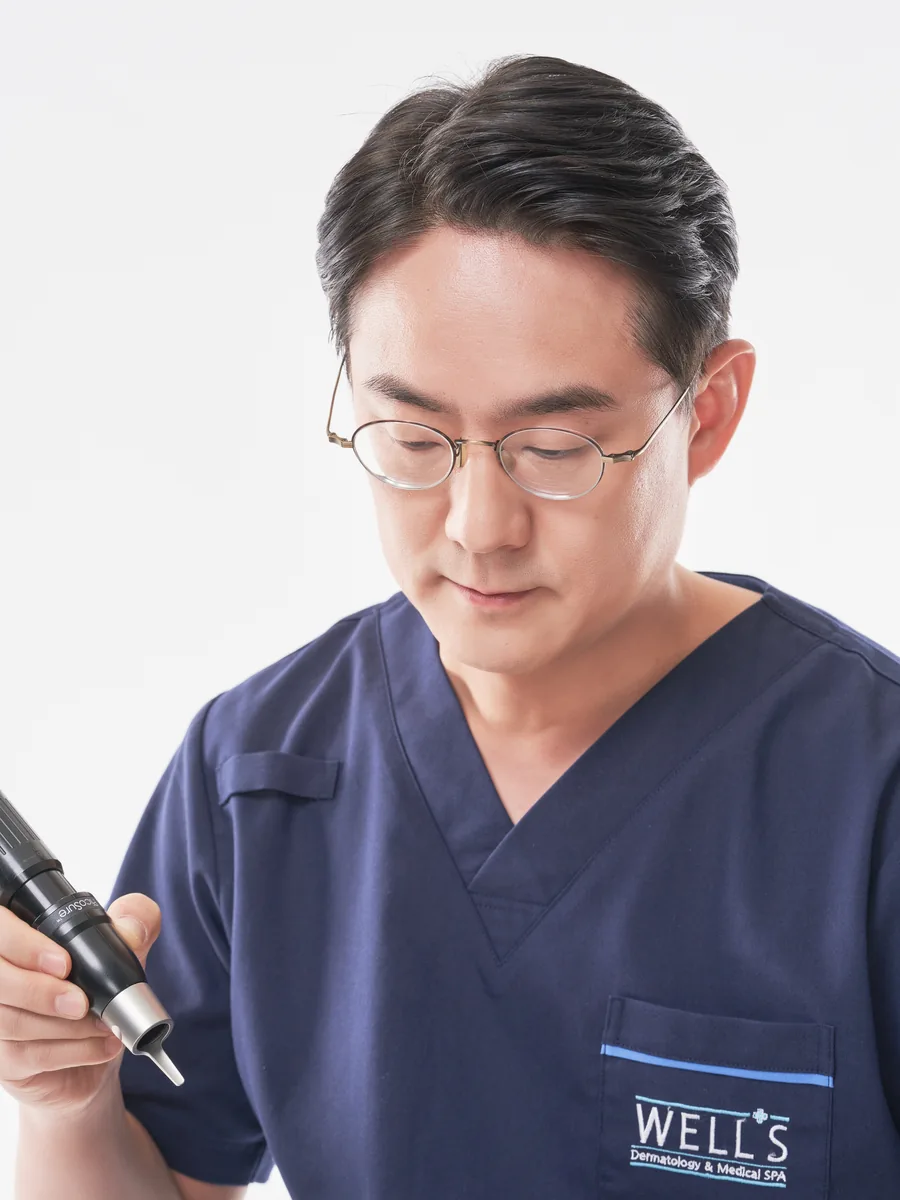
Rejuran is a polynucleotide (PN) injectable derived from salmon. It is placed into the skin in many small injections, and it works on the skin's internal environment rather than adding volume the way a filler does.
On our Rejuran HB+ page we describe what PN is meant to do: improve the skin's internal environment and restore its structure, increase elasticity in both the epidermis and the dermis, smooth fine lines and texture, and normalise the oil–moisture balance so skin looks less dull. It is a conditioning treatment, not a lift.
I say that early because expectation is where most disappointment starts. If your concern is a jawline that has dropped, an injectable that works on skin quality is the wrong tool, and I will tell you so at the consultation.
General point, not a Wells claim: in dermatology we generally separate treatments by the layer and the problem they address — surface quality, volume, and deep support are three different conversations.
Rejuran, Rejuran Healer, Rejuran HB, Rejuran HB+ — which one do we use?
The names confuse almost everyone. Searches for "rejuran healer", "rejuran hb" and "rejuran hb plus" all describe formulations in the same family, and clinics in Korea do not all stock the same one.
At Wells the formulation we use is Rejuran HB+: salmon-derived polynucleotide with added hyaluronic acid and lidocaine. The hyaluronic acid strengthens hydration; the lidocaine is there for comfort during the injections.
| Component | What it is for |
|---|---|
| Polynucleotide (PN) | Works on the skin's internal environment and structure — elasticity in epidermis and dermis, fine lines, texture, oil–moisture balance |
| Hyaluronic acid | Strengthens hydration |
| Lidocaine | Reduces pain during and after the injections |
The pain difference is the part patients notice most. Lidocaine in the formula cut post-injection pain by an average of 53% on the VAS scale compared with Rejuran Healer.
If you have had a rejuran skin booster elsewhere and remember it as an unpleasant twenty minutes, that number is worth knowing before you decide against a second course.
How many sessions, and does it hurt?
For Rejuran HB+ we recommend four sessions at two to three week intervals. That is the course, not a sales package — a skin booster works cumulatively, and a single session is rarely the whole plan.
Numbing is handled as part of the treatment, and the lidocaine in the HB+ formula does a lot of the work. Most of the discomfort people describe with skin boosters is the number of injection points rather than any single one of them.
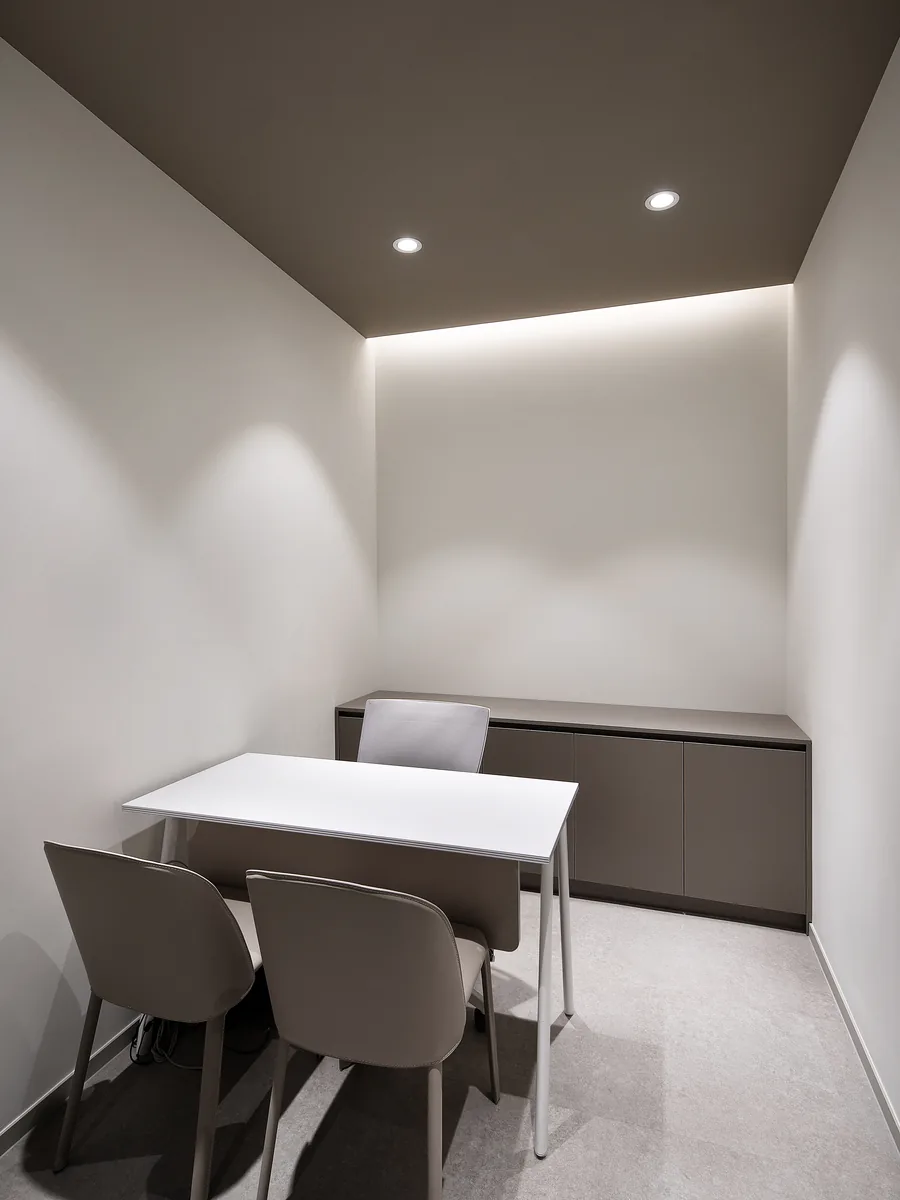
Who injects matters as much as what is injected. At Wells, consultation, diagnosis and treatment are done by a board-certified dermatologist from start to finish, not handed to a nurse or an aesthetician.
If you already know your dates, send them with a photo of the area that bothers you. I'll tell you whether a four-session course fits your trip or whether we should plan differently.
Send a photo and your datesWho a rejuran skin booster suits — and who I'd steer elsewhere
The patients I am most comfortable recommending it to are the ones whose complaint is quality rather than shape.
- Rough or textured skin and enlarged pores
- Fine lines around the eyes and cheeks
- Dull, dehydrated skin that needs regeneration
When I suggest something else first
If the main problem is laxity along the jawline, a skin booster is not the answer — that is a conversation about lifting treatments, and I would rather you spend the budget there.
If you have deep depressed acne scars, filling them is a different job. Juvelook, a KFDA-approved PLA and hyaluronic acid product, fills depressed scars immediately while stimulating collagen — that sits in our scar and pore treatment menu, not in the booster menu.
And if you are hoping for volume in a hollow temple or a flat cheek, that is filler or Sculptra territory. A booster changes how skin behaves; it does not change the architecture underneath it.
Rejuran Tox: the Wells version of the same session
Rejuran works from underneath. Micro-dosed skin botox works on the surface — smoothing fine lines, refining pores, improving sebum and texture. They have different strengths, which is why we combine them.
Rejuran Tox is that combination in one visit: Rejuran HB+ 3 cc plus skin botox 3 cc. Inner condition and surface finish are treated together instead of across two appointments — useful if you are in Seoul for a short trip.
| Option | Contents | Price |
|---|---|---|
| Nabota (Korean) | Rejuran HB+ 3 cc + Nabota 3 cc | ₩913,000 (VAT excluded) |
| Allergan | Rejuran HB+ 3 cc + Allergan 3 cc | ₩1,089,000 (VAT excluded) |
Both toxins are genuine and dosed by the dermatologist. Nabota is Korean-made; Allergan is the original Botox brand. If you have a preference, tell us before you arrive — otherwise we discuss it in the room. You can read more about how we use toxin on the botulinum toxin page.
What does a rejuran skin booster cost in Korea?
Two honest answers, because they are different numbers.
For Rejuran HB+ on its own, the price is confirmed at your consultation. The amount and the number of sessions depend on the area and on what your skin actually needs, so quoting a figure before I have seen you would be guessing.
For Rejuran Tox, the price is listed: ₩913,000 (VAT excluded) with Nabota and ₩1,089,000 (VAT excluded) with Allergan. All prices at Wells are in Korean won and exclude 10% VAT, and the dermatologist confirms the final figure before anything starts.
People searching "rejuran healer price" or "rejuran korea" will find a wide spread of numbers online. What I would look at instead is what is included: who injects, how much product, and whether the plan was built after an examination or before one.
Tell me which bothers you more — texture and pores, or fine lines — and I'll come back with the treatment and the number.
Ask for a plan and a priceHow a visit works if you are flying into Seoul
Start on WhatsApp. Send your concern, a photo if you are comfortable, and your travel dates; you will get a reply in English with what fits and which times are free.
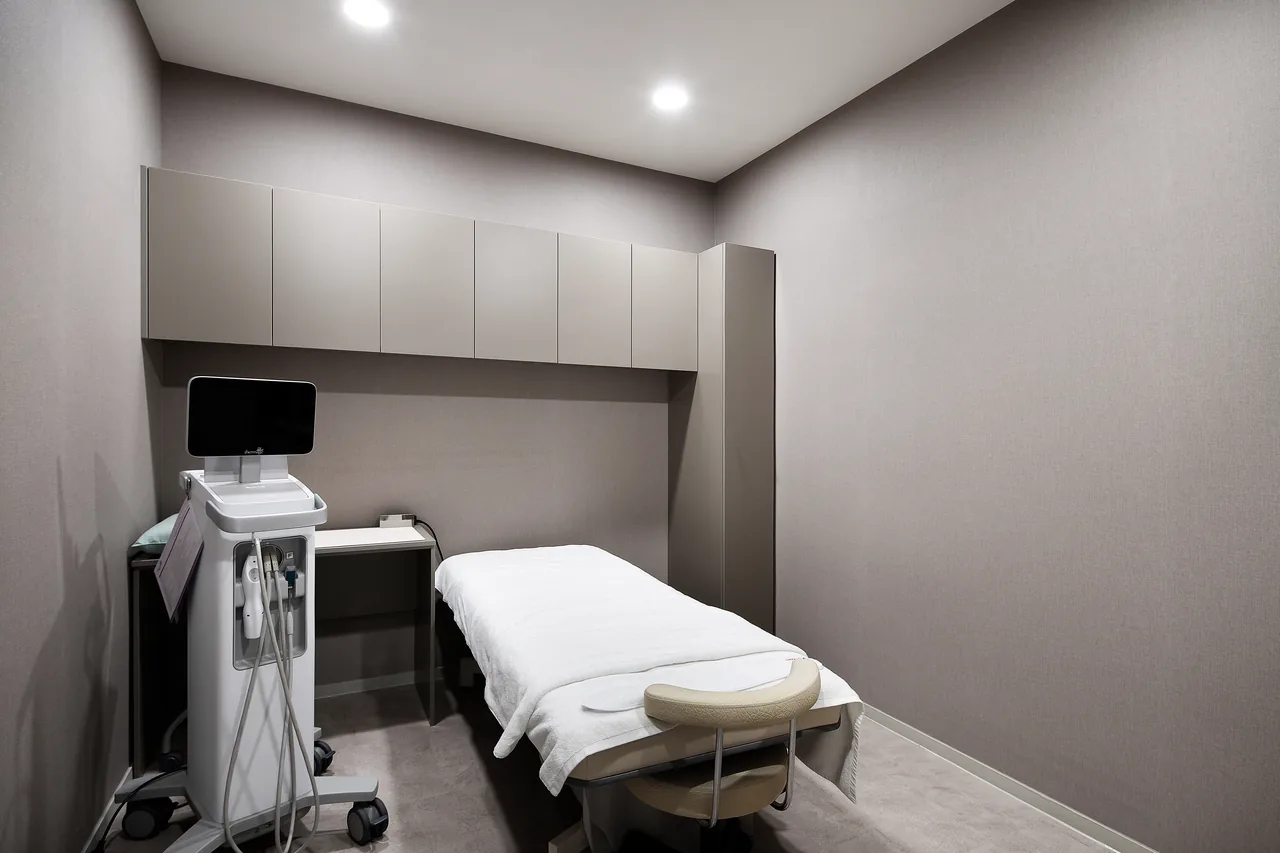
At the clinic a dermatologist examines your skin, confirms the plan and the price, and then treatment follows on the same floor. You leave with aftercare instructions and can reach us on WhatsApp afterwards.
We are on the 8th floor of the Apgujeong Building, 842 Nonhyeon-ro, Gangnam-gu — five minutes on foot from Apgujeong Station, Line 3, Exit 3. Hours are Monday to Friday 10:00–20:00 and Saturday 10:00–17:00, with lunch 13:00–14:00; we are closed on Sundays and Korean public holidays.
On flight timing, the useful thing is to tell us your departure date in advance. Send your flight dates on WhatsApp and the dermatologist will advise on when to schedule the session within your trip.
If you want to see how the changes tend to be described in order, my colleagues' post on Rejuran before and after covers that side of it. Consultations here are available in English, so you can plan the whole visit without a translator.
Not sure whether it's texture, lines or laxity?
Send a photo and your travel dates on WhatsApp. I'll tell you whether a Rejuran skin booster is the right treatment for what you're seeing, or whether something else should come first — and what it costs.
Message the clinic on WhatsAppReplies on WhatsApp · prices in KRW, VAT excludedBefore you message us
What is Rejuran, in one sentence?
It is a salmon-derived polynucleotide injectable that works on the skin's internal environment and structure — elasticity, fine lines, texture and oil–moisture balance — rather than adding volume like a filler.
Is Rejuran HB+ less painful than Rejuran Healer?
The lidocaine in the HB+ formula cut post-injection pain by an average of 53% on the VAS scale compared with Rejuran Healer.
How many sessions of a rejuran skin booster do I need?
For Rejuran HB+ we recommend four sessions at two to three week intervals. The dermatologist confirms the plan for your skin at the consultation.
What is the difference between Rejuran HB+ and Rejuran Tox?
Rejuran Tox is the Wells protocol that combines Rejuran HB+ 3 cc with skin botox 3 cc in the same visit, so the deeper skin environment and the surface finish are treated together. It is priced from ₩913,000 (VAT excluded).
How soon can I fly home after the treatment?
Tell us your flight dates on WhatsApp and the dermatologist will advise on timing for your case.
Are the listed prices final?
Prices are in Korean won and exclude 10% VAT. The dermatologist confirms your plan and the final price at the consultation, before anything starts.
Results and recovery vary by individual. Every treatment carries possible side effects, which are explained at the consultation. Prices are in Korean won, VAT excluded, and confirmed at your consultation. This article is general information from the clinic, not a diagnosis.
Dr. Won Woo Choi
- Board-certified dermatologist, Seoul National University Hospital
- Residency & board certification in dermatology, Seoul National University Hospital
- Ph.D. in Dermatology, Seoul National University
- Former clinical instructor, Seoul National University Hospital
- Adjunct professor, Department of Dermatology, Seoul National University Hospital